Roddy McCorley
Angela's AshesRoddy McCorley is a rebel ballad whose repeated presence in Frank McCourt’s childhood turns Irish martyrdom into both family ritual and a measure of the distance between patriotic ideals and domestic hardship. The father sings of the young man going proudly to his death on the bridge at Toome, then asks his sons to promise that they, too, will die for Ireland. The song returns in moments of hunger, bereavement, illness, and debate, gathering meanings that its heroic refrain cannot contain by itself.
The song as a family performance
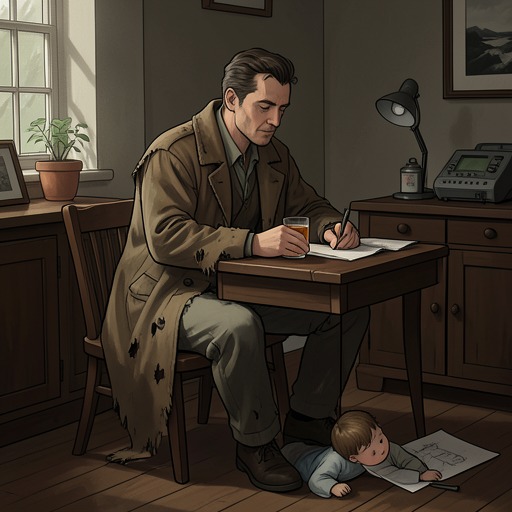
When the father’s job reaches its third week without wages arriving home, the family waits through Friday night with bread and tea. The father eventually comes in singing the song’s namesake ballad, and calls his sons his troops and warriors. Their mother tells him to leave the boys alone: they have gone to bed half hungry while he has filled his belly with whiskey. He nevertheless goes to the bedroom and offers each boy a nickel for promising to die for Ireland. The ballad’s heroic language enters a scene shaped by unpaid wages and hunger, its patriotic promise made into a small, troubling bargain.
After losing the job, the father throws his wages on the table and blames the mother’s complaints at the gate for his dismissal. He takes some money and goes out; when he returns late, roaring and singing, his family hears the song as part of a recurring display of drunkenness. He marches around the table while the mother cries and the twins howl. She sends Frank and Malachy to the playground because she does not want them to see their father that way. In the cold of winter, the swings there freeze and will not move. The ballad’s proud march is thus set against a household driven out of the room by the consequences of drinking.
Martyrdom, bereavement, and the father’s lesson
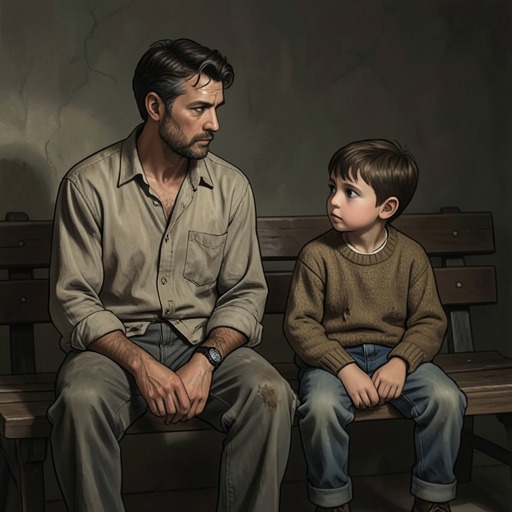
Following the death of a child, the father asks Dan for one more song before bed and leads the boys through the ballad. Its verses praise the hero’s love of the motherland and the green, and describe him going to meet a martyr’s fate with a proud and joyous bearing. The refrain places the young Roddy McCorley on the bridge at Toome, where he goes to die. The father then asks his sons whether they will die for Ireland; they say yes. He asks whether they will all meet their little sister in heaven, and they agree again.
The performance continues after the questions. One brother falls asleep standing with his face against a table leg. The father carries him to bed, then lies beside Frank, still in his clothes, singing about the condemned young man and speaking tenderly to Margaret. Frank hopes his father will put an arm around him, but the father continues singing and talking until daylight approaches and Frank falls asleep. The scene binds the dead child to the ballad’s martyrdom, while Frank’s unfulfilled hope for physical comfort gives the patriotic family ritual a more intimate, painful counterpoint.
Refrains beyond the home
The song’s recurrence reaches beyond the father’s performances. During Frank’s hospital stay, Seamus, who mops the floors, says he knows the ballad and begins singing it to him. A nurse interrupts: singing is against the hospital rules and could bring on a relapse. The brief episode places the song within the institution’s discipline as well as the family’s emotional life; even a familiar patriotic song must yield to rules imposed on patients’ recovery.
Later, during a night of hunger at home, Frank tells his brothers how he obtained bread and lemonade. The boys imagine the risks and consequences of theft, invoking the outlaws they know from stories and films. Frank argues that a priest would have to attend his hanging, as Roddy McCorley and Kevin Barry had priests. Malachy counters that the priests are not mentioned in the songs and starts singing to prove his point, until their mother groans at the noise. The ballad has become evidence in a children’s argument: its silences matter as much as its heroic words, and the boys use its remembered version to reason about sin, punishment, and religious duty.
Patriotism and contradiction
Across these episodes, the father’s use of the song makes national sacrifice an instruction passed from parent to children. Its account of a young man facing death with pride offers a heroic script, reinforced by the father’s repeated demand for promises to die for Ireland. Yet the boys encounter that script not in a public ceremony but in a poor home, where their father’s drinking leaves them hungry, their mother weeps, and the children are sent away from his singing. The song’s ideal of steadfast courage is neither simply endorsed nor dismissed: the narrative shows the force it holds over family memory while exposing the hardship and emotional neglect alongside which it is performed.
The ballad also helps connect separate moments of the book. It accompanies the father’s drinking, returns around a child’s death, crosses into the hospital, and is recalled in a later dispute about the presence of priests at executions. Each recurrence changes the context without erasing the earlier ones. Roddy McCorley remains at once a figure of patriotic martyrdom, a familiar song in the father’s repertoire, and a refrain the children use to understand the frightening adult world around them.